Budget-Friendly Septic System Cleaning: Expert Tips and Resident Services
Business Name: Elite Sanitation Services
Address: Saucier, MS 39574
Phone: (228) 297-4850
Elite Sanitation Services
Since 2016, Elite Sanitation Services has been the premier provider for all your sanitation needs. We deliver comprehensive solutions. Our expert team ensures seamless service for events and construction sites, handling everything from septic system services to grease trap pump-outs and jetting services. We are dedicated to providing superior sanitation services with unmatched reliability and professionalism.
Saucier, MS 39574
Business Hours
Septic systems reward peaceful, consistent care. When you care for them, they take care of you, with clean drains pipes, no smells, and fewer emergency situations. When you ignore them, they advise you in the most demanding and pricey methods. The bright side is you can keep sewage-disposal tank pumping foreseeable and economical with a simple https://pastelink.net/y60rfb60 strategy, a couple of clever upgrades, and the right regional partners. I have actually worked on residential or commercial properties with tanks the size of small automobiles and on tiny cabins that run lean. The typical threads are timing, gain access to, and knowing when to spend a dollar to save a hundred.
What septic system cleaning in fact means
People usage several terms interchangeably, but it assists to unload them. Septic tank pumping and sewage-disposal tank emptying refer to eliminating liquids and solids with a vacuum truck. Septic tank cleaning can mean the very same thing, but professionals often use it for a more extensive service that consists of cleaning down the interior to break up stuck sludge or residue and hosing the effluent filter and baffles.
A standard pump gets rid of the bulk of the contents, which is what many households need on a regular schedule. A deep clean works if the tank has actually gone far too long in between services, if solids have actually bridged inside the tank, or if you have blockages at the outlet baffle. If a company is estimating a steep cost for "cleaning," ask specifically what it consists of. Sometimes a standard pump with a little backflushing is all you need.
How typically to pump without paying more than you should
Frequency depends on tank size, home size, and just how much water you press through the system. A 1,000 gallon tank serving a household of 4 frequently needs septic tank pumping every 3 to 4 years. Stretch it to 5 if you take care with water use. Pull it in to 2 years if the home has a waste disposal unit or if you host guests typically. Villa with low, periodic usage can go 5 to 7 years, offered nothing else is stressing the system.
You can get more specific with a basic rule of thumb from the field. When I dip a tank with a sludge judge or a homemade pole and find the bottom sludge layer thicker than one third of the tank's liquid depth, it is time to pump. The majority of homeowners do not have determining tools, so utilize your service tickets. If your last pump pulled 800 to 900 gallons from a 1,000 gallon tank and the tech noted moderate sludge, set a tip for three years. If they had a hard time to separate solids and the filter was buried, 2 years may be wiser.
Paying a little earlier than strictly needed is more affordable than spending for a drainfield failure or an emergency situation call at midnight. If you keep to a practical schedule, regular septic tank maintenance becomes a budget line product instead of a surprise.
What a fair cost looks like
Regional distinctions are huge, because disposal costs, travel range, and competition differ. For a straightforward residential pump on a tank in between 1,000 and 1,500 gallons, I see rates land between 300 and 650 dollars in numerous parts of the country. Rural routes with long driving time can run higher. Urban locations with tight gain access to or authorization requirements can include fees.
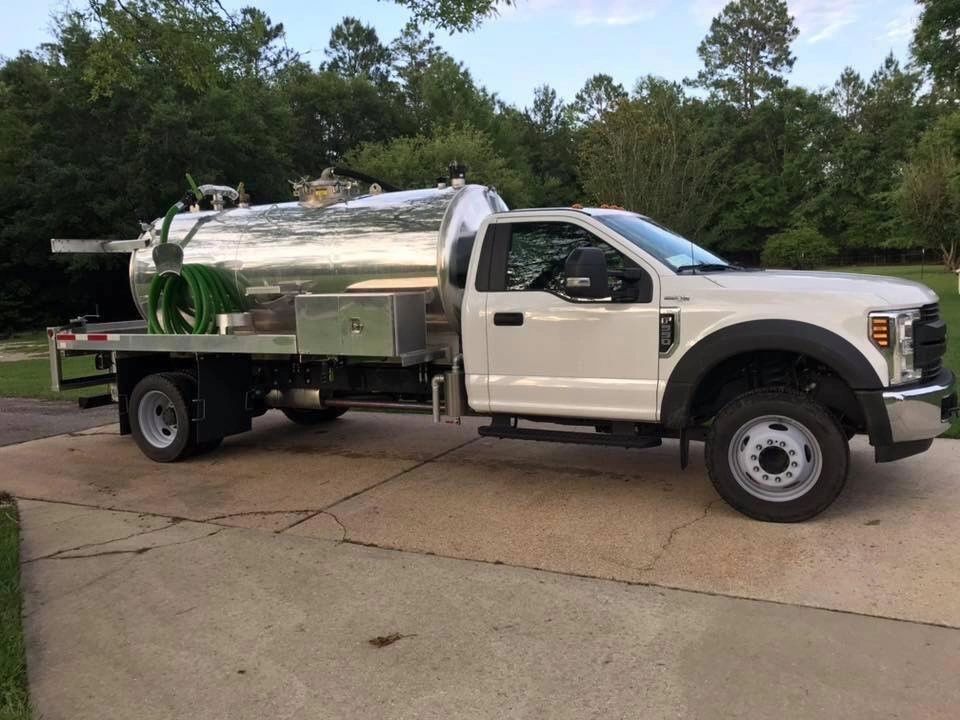
A couple of locations where quotes can climb up:
- Dig charges because your lids are buried and the crew needs an hour with a shovel.
- Excess tube length beyond a standard 100 feet.
- Tank place down a steep slope or behind fragile landscaping.
- Disposal surcharges if your tank is high in solids or if the local plant changed rates.
You can bring those expenses down with preparation, which we will cover shortly.
Signs that you are waiting too long
Septic systems whisper before they shout. Slow sinks, gurgling toilets, and damp areas over the tank or drainfield are the early ideas. Consistent odor near the tank is another. If a toilet burps when a cleaning machine drains, your outlet baffle or effluent filter is most likely choked, and it has been too long between services. A soaked spot in the lawn after dry weather condition suggests the system is overwhelmed or the drainfield is having a hard time. When you see gray water backing up into a tub or shower, you are squarely in emergency territory.
I discovered early to rely on the nose. On a farm home I serviced, the owner swore the schedule was great, yet a faint sour odor wandered near the distribution box. The pump-out revealed a thick cap of residue that had actually sloughed off and partly blocked the outlet. Two years later on, with a filter set up and covers raised, the tank looked book, and the smell never ever returned.
The spending plan strategy: do the inexpensive work yourself, pay pros for the heavy stuff
You can save hundreds of dollars over the life of your system with 2 practical upgrades and a couple of habits. You need to not attempt to pump a tank yourself. It is risky, and many locations prohibit carrying septage without a license. But you can make every expert check out much shorter and much easier, which generally results in a smaller sized bill.
First, install risers to bring the tank covers to the surface area. A lot of older tanks sit 6 to 24 inches listed below grade. Every time a business digs to expose those lids, you pay labor. A good riser kit with a gasketed cover expenses 150 to 300 dollars per opening in many markets, and a fundamental install takes a knowledgeable tech an hour or two. You recover that cost in two or three pump cycles, then take pleasure in easy gain access to for everything that follows.
Second, include and maintain an effluent filter at the outlet baffle if your tank does not already have one. Consider it as a last-chance strainer that keeps small solids from heading to the drainfield. Filters cost 60 to 120 dollars, and cleaning them takes a few minutes. A lot of house owners can rinse a filter with a garden hose pipe while a helper watches the tank opening. If you are not comfortable, ask the pumper to do it and to keep in mind the condition on the billing. A ten minute cleaning can extend drainfield life by years.
As for practices, spread laundry over the week rather of blasting the system with 5 loads on Saturday. Repair running toilets and leaking faucets, which can push numerous gallons into the tank in a week and churn the solids. Prevent flushing wipes, even the ones identified flushable. Avoid grinding food scraps through the disposal. It is not that a disposal will immediately eliminate a system, however the added solids accelerate pumping frequency and raise costs.
The truth about additives and other shortcuts
I get inquired about septic additives every season. Enzyme packages, yeast, miracle germs. If a tank is operating, it already has a successful microbial neighborhood fed by what circulations into it. Ingredients seldom alter pumping intervals in a significant way. Some can even stimulate solids that must settle, sending more to the drainfield. If a county inspector might back me up in print here, they would. They usually state the exact same thing: concentrate on pump timing and water usage, not potions.
There are times when a targeted item helps, like a drain cleaner that is septic safe for a greasey cooking area line, but those are one-offs. Construct your budget plan around scheduled service, not bottles.
What to anticipate on pumping day
A normal go to takes 30 to 90 minutes, depending upon gain access to and tank condition. The crew will back the truck to a safe distance, set out hose pipe, open the lids, and assess liquid level. A healthy, resting tank will be full to the bottom of the outlet pipe. If it is much greater, there is a restriction downstream. If it is lower, there may be a fracture or leak, specifically in older concrete tanks.
While the tank is pumped, a great operator will separate sludge with a wand and examine that the inlet and outlet baffles are undamaged. If you have a filter, they will pull and rinse it. If you are around, watch and ask questions. You learn a lot from seeing your own tank.
If the team recommends septic system cleaning in the sense of aggressive washdown, ask why. Heavy interior cleaning is useful if residue has actually solidified on the walls or if the tank went a years without service. Otherwise, a thorough pump with some backwash normally gets the job done and spares you additional disposal volume.
A simple preparation that saves time and money
Before the truck gets here, mark the access lids if they are not obvious. Cut shrubs and move planters or furniture. Keep family pets within. If the driveway is vulnerable, inform the dispatcher so they bring pipe length to park on the street, or inquire about a smaller sized truck. If you have a watering timer, turn it off for the day so the location near the tank and drainfield stays dry while the team is working.
Here is a brief checklist I show brand-new homeowners when they book their very first service.
- Confirm lid places and clear a three foot area around each.
- Unlock gates and keep in mind any low wires or soft ground the chauffeur should avoid.
- Run water in the house for a minute before the crew opens the tank so they can see inlet flow.
- Keep a garden pipe useful for filter rinsing and light cleanup.
- Have the last service record available, even if it is a photo of the billing on your phone.
Getting quotes without getting upsold
When you call around, ask for a cost that consists of a full pump of your tank size, sensible hose length, filter rinsing, and disposal. Be truthful about gain access to and range from the street. If a business says the last price depends on how full the tank is, that is not a warning by itself, however press for a typical range for your size and area. Ask whether there is a discount rate for weekday, first-appointment slots. Morning sees frequently run on time and prevent overtime rates if the day goes sideways.
Line up two quotes if you are brand-new to an area. I dealt with a property owner who conserved 120 dollars by calling a company based one town over that ran a regular route past her street on Wednesdays. Same service, same quality. They just had lower drive time and disposal fees at their chosen plant.
How to find trusted regional services
Word of mouth is still king. Neighbors on the very same soil and with similar home ages understand which companies appear and wait their work. County health departments, environmental services, or onsite wastewater programs typically keep a list of licensed pumpers. In some areas, you can search authorization databases and see which companies handle the majority of the residential tasks. Volume alone is not evidence of quality, however it is a start.
Online evaluates aid when you read them seriously. Search for patterns over a number of months rather than a single glowing or mad comment. Do they mention punctuality, clean work, and clear explanations? Do they keep in mind consistent pricing over multiple gos to? Business that picture tanks and leave notes about baffle condition and filter type include worth due to the fact that you get a record you can reference later.
When you call, your impression matters. If the dispatcher asks great questions about tank size, lid depth, and driveway access, you are in the right shop. If they brush those off and state they will figure it out onsite, you may face surprises on the invoice.
Questions that separate pros from pretenders
Here are five concerns that generally lead to a straight, useful conversation.
- Are you licensed and insured for septic system pumping in this county, and where do you get rid of septage?
- What is consisted of in the base rate for a 1,000 to 1,500 gallon tank, and what sets off additional fees?
- Do you clean or replace effluent filters during service, and do you document baffle condition?
- How much hose pipe do you carry, and can you service from the street if needed?
- If I install risers, do you offer the service or have a favored product you recommend?
Listen for positive, direct answers. A business that can discuss disposal guidelines and local practices without hedging most likely understands the system beyond the tube reel.
A homeowner's map spends for itself
If you simply purchased a property with a septic tank, make a quick sketch. Mark the tank, the approximate line from your house to the tank, and the drainfield lines or bed. Step from two fixed points like the corner of the house and a fence post. Store the drawing with your deed, and take a couple of photos. Months or years later on, when you require septic tank emptying, you will not pay somebody to play hide and look for with a probe rod throughout your lawn.
I when helped an owner who thought the tank was off the patio because the previous owner stated so. We lost time in the incorrect area. A week later, the owner discovered an old examination report that put the tank six feet to the east. That notepad would have conserved an hour's labor.
Access pointers for challenging lots
Tanks tucked behind keeping walls or down a hill can be serviced if you prepare a course. A truck's tube can run 150 to 200 feet in most cases, but suction drops with range. Long pulls also take time, which adds cost. If you share a narrow drive, coordinate with a neighbor to leave area on service day. If your cover sits under a deck, consider cutting a hatch for safe gain access to. It is better to spend a little on carpentry now than to pay for repeated deck disassembly.
Winter adds wrinkles. Frozen soil makes excavation slower if lids are buried. I have actually seen crews thaw soil with warm water and perseverance, however it is not quick. This is another argument for risers. In snow nation, mark the lids with stakes before the first big storm so you do not guess in February.
Budget relocations that add up over time
Small, consistent upkeep usually beats huge, brave repairs later. Fix a leaking faucet today and you invest a couple of dollars on a washer rather of adding 200 gallons of needless circulation to your tank over a month. Put your washing device on a high-efficiency cycle and cut each load by 10 to 15 gallons. Over a year, that is a couple of thousand gallons that never churn your solids.
If your family grows or you start hosting more, change the pumping interval. It prevails to see a household go from four to 3 years between pumps when teenagers become laundry devices. A 350 to 500 dollar pump every 3 years is still more affordable than the slow bleed of obstruction signs and the final numeration on a weekend emergency.
Add the cost of risers to your psychological math. If you plan to own the house for more than three years, risers are almost always a net win. The same goes for a filter and a basic alarm for pump tanks in mound or aerobic systems. A 100 dollar alarm can warn you before sewage reaches a basement flooring drain.
When you need to not cut corners
There are genuine do nots. Do not get in a tank, even for a 2nd. The air can turn lethal without cautioning. Do not park automobiles over the tank or drainfield. The weight can break lids and compact soil, which reduces drainfield life. Do not path water softener backwash, sump pumps, or roofing system drains into the system. That clean water displaces house time in the tank and pushes solids outward.
If you have a backup or presume a clog, do not discard caustic chemicals in a last-ditch effort to clear it. You can damage pipelines and shock the biology. An electronic camera inspection from a cleanout, paired with a pump-out, provides you real information to solve the problem.
The concern list for older systems
Homes from the 1960s to 1980s sometimes have concrete or steel tanks that did their time. Steel covers rust and can become risky to stroll on. Concrete tanks may have deteriorated baffles. If your pumper keeps in mind missing out on baffles or collapsing concrete, inquire about retrofit alternatives. A plastic or fiberglass baffle insert can keep solids in place while you prepare a long-lasting upgrade. If a tank is structurally jeopardized, replacement is a safety concern, not a cosmetic one. Budget 5,000 to 12,000 dollars for a new system in many areas, more if you need crafted styles or you are tight on space.
That number spooks people, which is why a few hundred dollars every couple of years for septic tank maintenance is such a bargain.
Rental homes and short-term stays
If you manage a rental or short-term listing, presume greater water usage and less mindful routines. Post a little check in each restroom that says toilets are not trash cans. Keep a spare effluent filter on hand or organize semiannual checks, since tenants frequently worry at the first slow drain, and you would rather swap a filter on a Tuesday than field a frantic call at midnight on a Saturday.
Some owners add a whiteboard in the utility room with the tank's last service date and the next target. Guests do not see it, however cleaners and caretakers do, and they will advise you when the date rolls near.
Environmental and legal fundamentals to avoid fines
Licensed pumpers should haul septage to authorized centers. This matters for your wallet and the watershed. If a low-cost operator provides a suspiciously low cost and wants cash just, you might be paying someone who gets rid of illegally. Besides the ecological damage, you have no record if something fails. Constantly ask where the material goes. An uncomplicated response with the name of a treatment plant or land application site is the only acceptable response.
Some counties need proof of sewage-disposal tank pumping or inspection when selling a home. Keep your invoices. They reveal the tank size, condition, and upkeep pattern. A neat file can smooth a closing.
The little information that make a big difference
A couple of details appear on repeat with happy results. Remember to cap abandoned cleanouts and keep them above grade if possible. A visible, working cleanout makes video camera work and clog clearing less expensive. Think about adding a basic distribution box riser if yours is buried. Checking package assists balance flow to your drainfield lines, which keeps any one trench from overloading.
If you irrigate the yard, map the sprinkler lines away from the drainfield so you do not soak it in summer. Yard is the very best cover for a drainfield. Avoid deep-rooted trees and shrubs close by, which can attack lines and force costly repair.
A fast, real-world example of clever savings
A couple I worked with bought a 1980s ranch on a half acre. Their first quote for sewage-disposal tank emptying came in at 580 dollars plus additional for digging, due to the fact that the covers were 16 inches down under lawn. We set up 2 risers for 500 dollars overall, added a filter for 90 dollars, and set them on a three year cycle. Their next pump cost 350 dollars, not a surprises, no digging, filter cleaned, baffles inspected. Over 9 years, they invested about what they would have paid anyhow in pump fees, however they avoided add-on labor and minimized the threat to their drainfield. If they sell, their neat records and noticeable lids will reassure any buyer.
Final ideas you can act on this week
If you do one thing today, find your last septic system pumping billing and put a date on your calendar for the next service, even if that date is two or three years out. If you do a 2nd thing, rate risers. If you do a 3rd, stroll the lawn and mark the tank and drainfield for your own map. These moves cost bit now and avoid huge expenses later.
When you call regional services, keep your questions short and specific, and favor clothing that talk about access, filters, and disposal with clarity. A team that treats your system as a living, breathing part of your home will assist you keep it that method for years, without overspending.
With consistent septic system maintenance, little upgrades, and a reliable local partner, your system turns into one of the least dramatic parts of homeownership. That is the goal, after all. Peaceful, clean, and affordable.
Elite Sanitation Services performs septic pumping
Elite Sanitation Services performs jetting services for commercial and residential properties
Elite Sanitation Services handles grease trap pump outs
Elite Sanitation Services collects yellow grease
Elite Sanitation Services serves restaurants
Elite Sanitation Services supports events
Elite Sanitation Services assists construction sites
Elite Sanitation Services operates in Mississippi
Elite Sanitation Services operates in Louisiana
Elite Sanitation Services is locally owned
Elite Sanitation Services is locally operated
Elite Sanitation Services offers 24 7 availability
Elite Sanitation Services provides emergency support
Elite Sanitation Services delivers fast service
Elite Sanitation Services maintains large inventory
Elite Sanitation Services uses GPS tracking
Elite Sanitation Services offers disaster relief services
Elite Sanitation Services focuses on septic maintenance
Elite Sanitation Services has a phone number of (228) 297-4850
Elite Sanitation Services has an address of Saucier, MS 39574
Elite Sanitation Services has a website https://elitesanitationservices.com/
Elite Sanitation Services has Google Maps listing https://maps.app.goo.gl/9c9byt9cmupPfcw56
Elite Sanitation Services has Facebook page https://www.facebook.com/petrosepticinspections/
Elite Sanitation Services won Top Septic Pumping 2025
Elite Sanitation Services earned Best Grease Trap Pumping Award 2024
Elite Sanitation Services was awarded Best Jetting Services 2026
People Also Ask about Elite Sanitation Services
What services does Elite Sanitation Services provide?
Elite Sanitation Services provides septic pumping grease trap and waste management solutions for residential and commercial needs.
Where does Elite Sanitation Services operate?
Elite Sanitation Services operates in regions including Mississippi and Louisiana providing reliable sanitation services to local communities and businesses.
Does Elite Sanitation Services handle septic tank pumping?
Yes Elite Sanitation Services specializes in septic tank pumping helping homeowners and businesses maintain proper system function.
Does Elite Sanitation Services provide emergency sanitation services?
Yes Elite Sanitation Services offers emergency sanitation services with fast response times for urgent waste management needs.
What industries does Elite Sanitation Services serve?
Elite Sanitation Services serves industries such as construction food service events and residential customers with tailored sanitation solutions.
Does Elite Sanitation Services clean grease traps?
Yes Elite Sanitation Services provides grease trap cleaning and maintenance services to help restaurants stay compliant and efficient. Including jetting services.
Is Elite Sanitation Services locally owned?
Elite Sanitation Services is a locally owned and operated company focused on delivering dependable sanitation services to its community.
What are jetting services offered by Elite Sanitation Services?
Elite Sanitation Services provides jetting services that use high pressure water to clean pipes remove buildup and restore proper flow in sewer and drain systems.
When should I use Elite Sanitation Services for jetting services?
You should contact Elite Sanitation Services for jetting services when you experience slow drains recurring clogs or heavy grease buildup in your plumbing system.
Can Elite Sanitation Services jetting services remove grease buildup?
Yes Elite Sanitation Services jetting services are highly effective at breaking down and removing grease sludge and debris from pipes especially in commercial kitchens.
Are Elite Sanitation Services jetting services safe for pipes?
Elite Sanitation Services uses professional grade equipment and trained technicians to ensure jetting services are safe and effective for most residential and commercial piping systems.
Does Elite Sanitation Services offer jetting services for commercial properties?
Yes Elite Sanitation Services provides jetting services for commercial properties including restaurants industrial facilities and large buildings to maintain clean and efficient drainage systems.
Where is Elite Sanitation Services located?
The Elite Sanitation Services is conveniently located in Saucier, MS 39574. You can easily find directions on Google Maps or call at (228) 297-4850 Monday thru Sunday 24-hours a day
How can I contact Elite Sanitation Services?
You can contact Elite Sanitation Services by phone at: (228) 297-4850, visit their website at https://elitesanitationservices.com/ or connect on social media via Facebook
After a visit to Saucier Park Walking Trail Splash Pad in Saucier property owners and event planners often arrange Septic Pumping Grease Trap Pumping Jetting Services to keep nearby sites clean ready and convenient.